
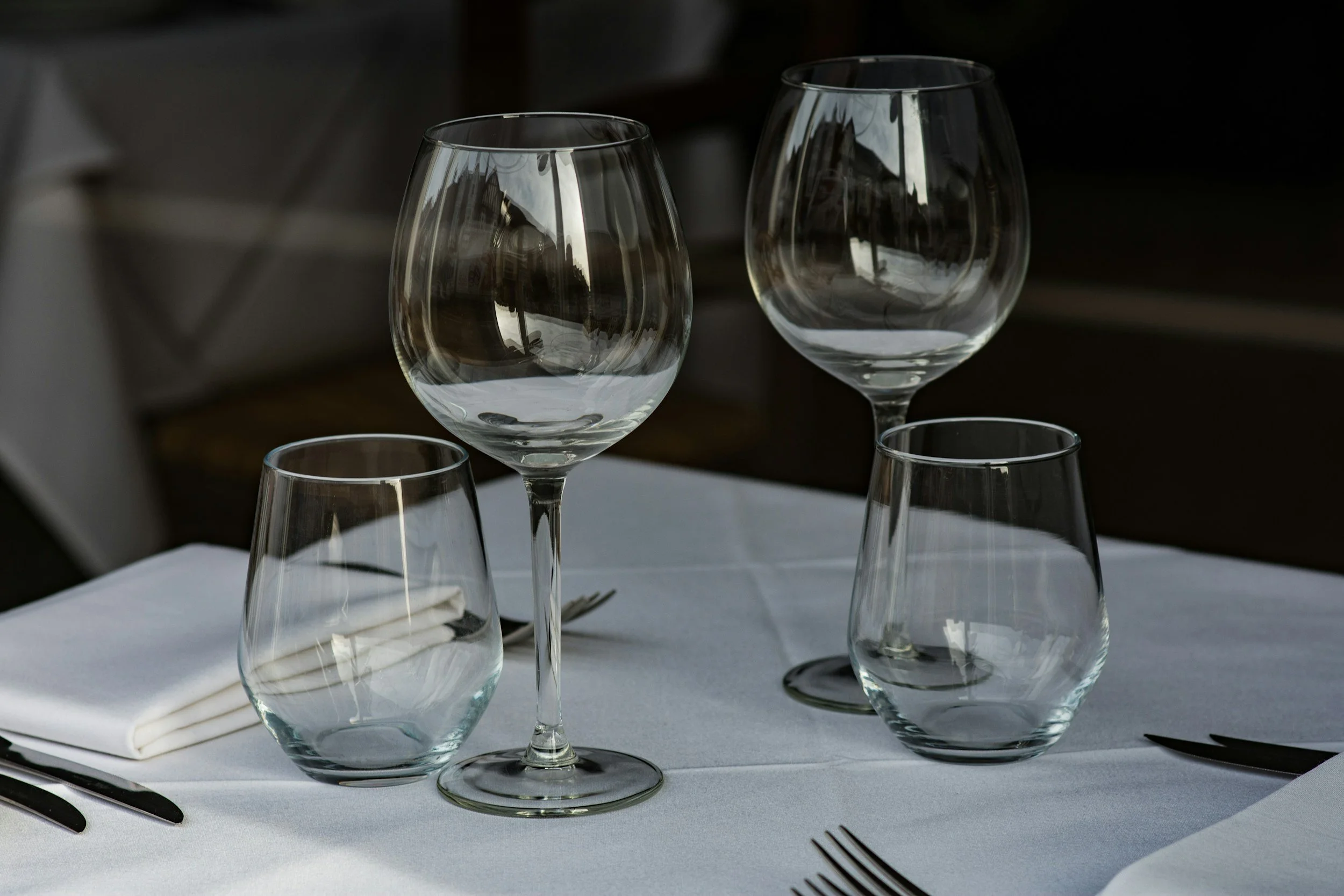
Custom Glass Design Services for Artistic Functionality
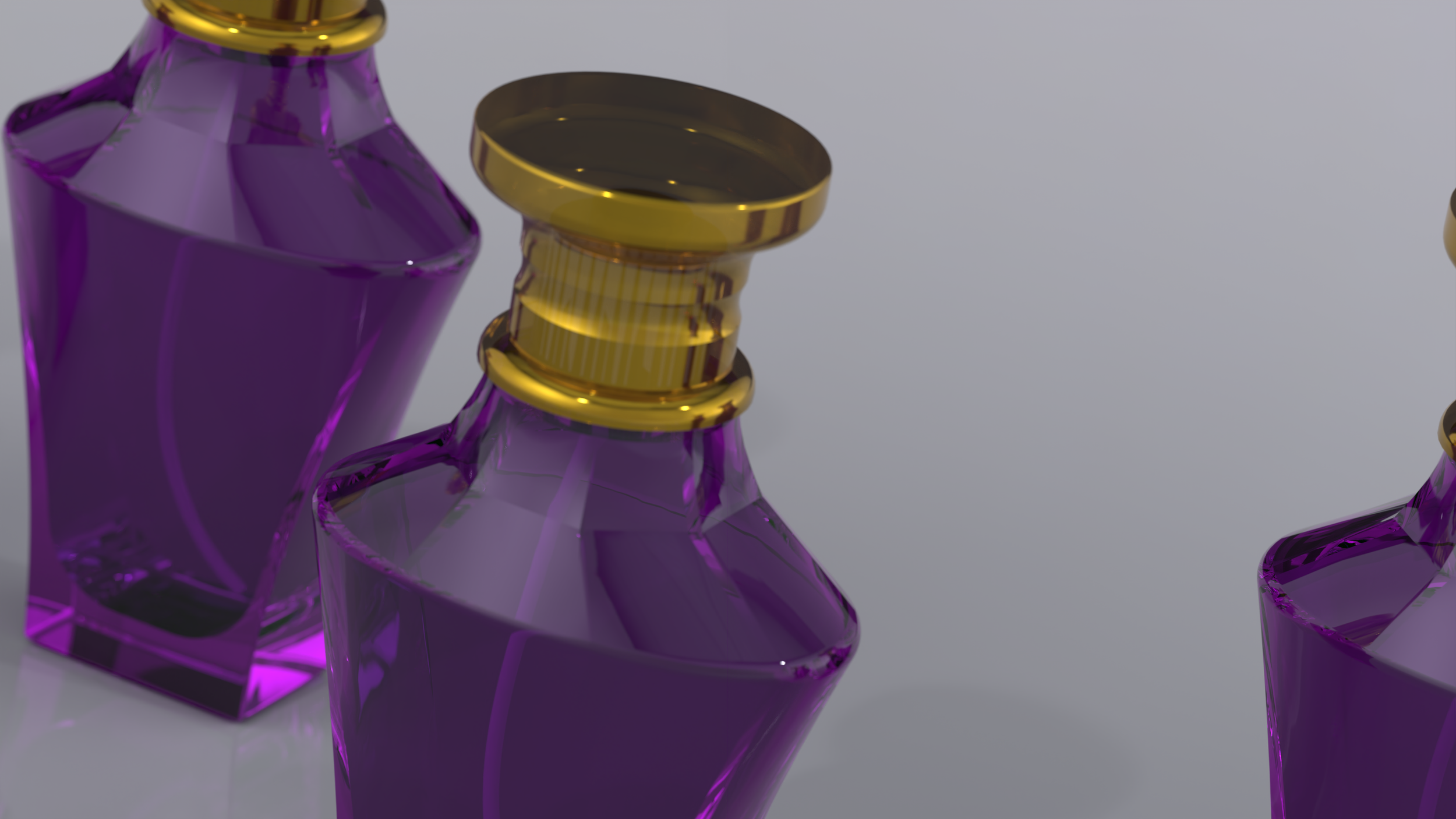
Glass forming is the process of shaping molten glass into functional products using techniques like pressing, blowing, and molding. This is an important aspect of custom glass design.
Each project includes detailed documentation to support fabrication partners, whether using hot-shop methods, slumping, kiln work, casting, or machining.
What Is Glass Forming?
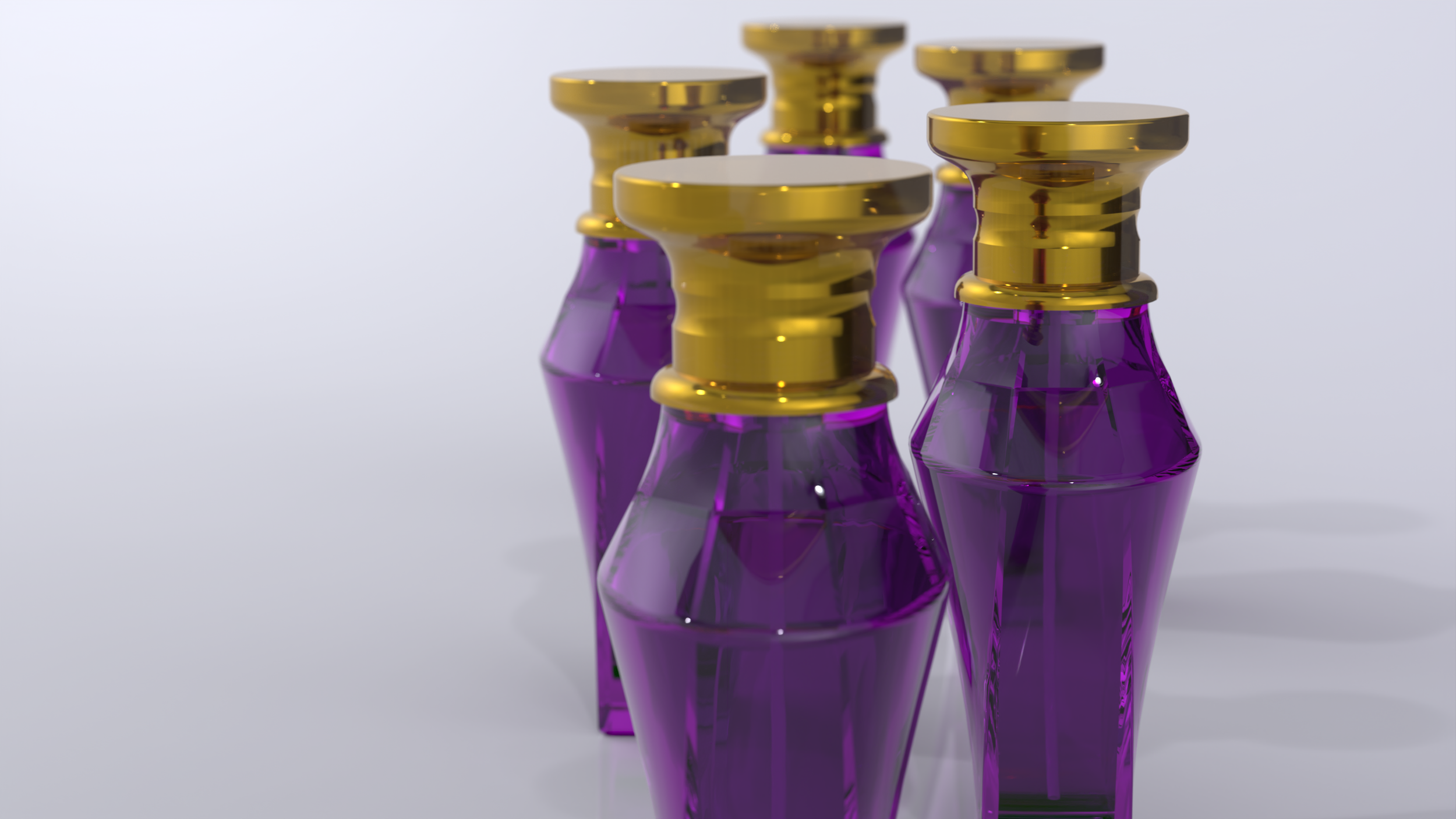
CAD Modeling for Glass Products
We use SolidWorks and other CAD tools to design glass components with precision. Our models account for wall thickness, curvature, draft angles, and mold compatibility. Whether you're designing a tumbler, a decorative bottle, or a technical glass part, we ensure your geometry is optimized for forming and finishing.
For hand-formed pieces, our work considers the realities of glass blowing and its influence on shape, thickness, and material consistency. We design forms that respect the natural behavior of molten glass while still providing a clear structural and aesthetic goal.
We account for:
Natural sag, stretch, and expansion
Controlled symmetry
Wall thickness variation during forming
Blown vs. molded transitions
Pontil locations and finishing
This results in glass forms that feel intentional yet authentically handmade.
We develop:
Decorative sculptural forms
Lighting diffusers
Centerpieces and artistic installations
Textured, patterned, or color-fused surfaces
This approach allows each piece to carry a distinct visual identity while remaining practical to fabricate.

Applications We Support
Our glass forming design services are used across industries including:
Consumer goods: cups, bottles, jars
Hospitality: custom drinkware and barware
Industrial: technical glass components
Decorative: vases, lighting elements, art glass
Our custom glass design services merge creative vision with disciplined engineering. By incorporating principles of art glass design and the realities of glass blowing, we help clients develop meaningful, functional, and visually compelling glass components.
Our designs reflect both artistic goals and practical engineering requirements.